Getting Started with Astrophotography: A Beginner's Guide
Astrophotography is one of the most rewarding pursuits in science and art. Capturing light that has traveled millions of light-years is an experience unlike any other. But it can feel overwhelming at first. This guide breaks it down into manageable steps.
Choosing Your First Target
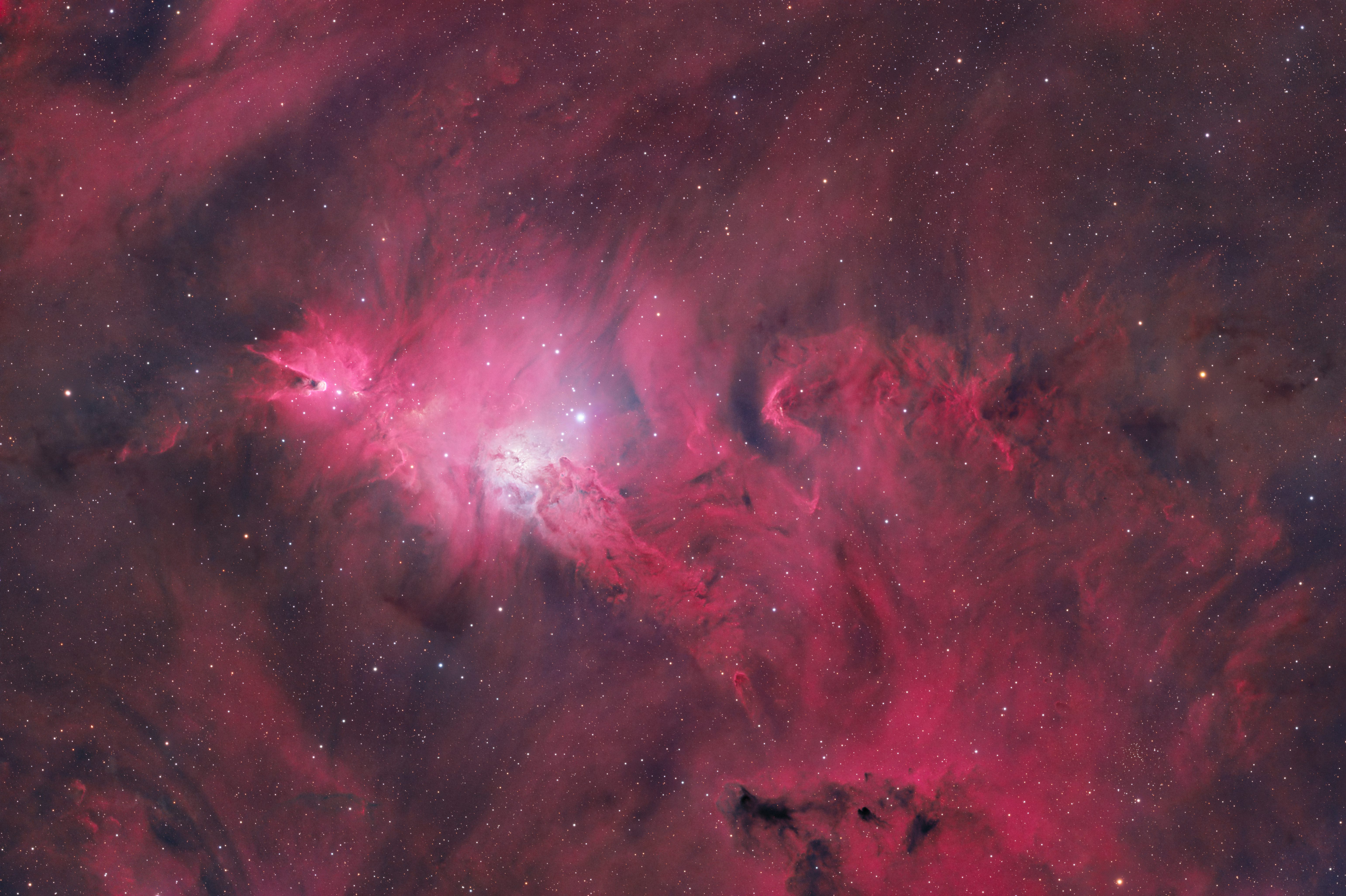
The best first targets for beginners are large, bright nebulae that don't require extreme focal lengths or perfect seeing conditions:
- M42 — Orion Nebula — the classic first target. Bright, large, full of structure. Best in winter.
- M45 — Pleiades — stunning reflection nebula, beautiful blue halos.
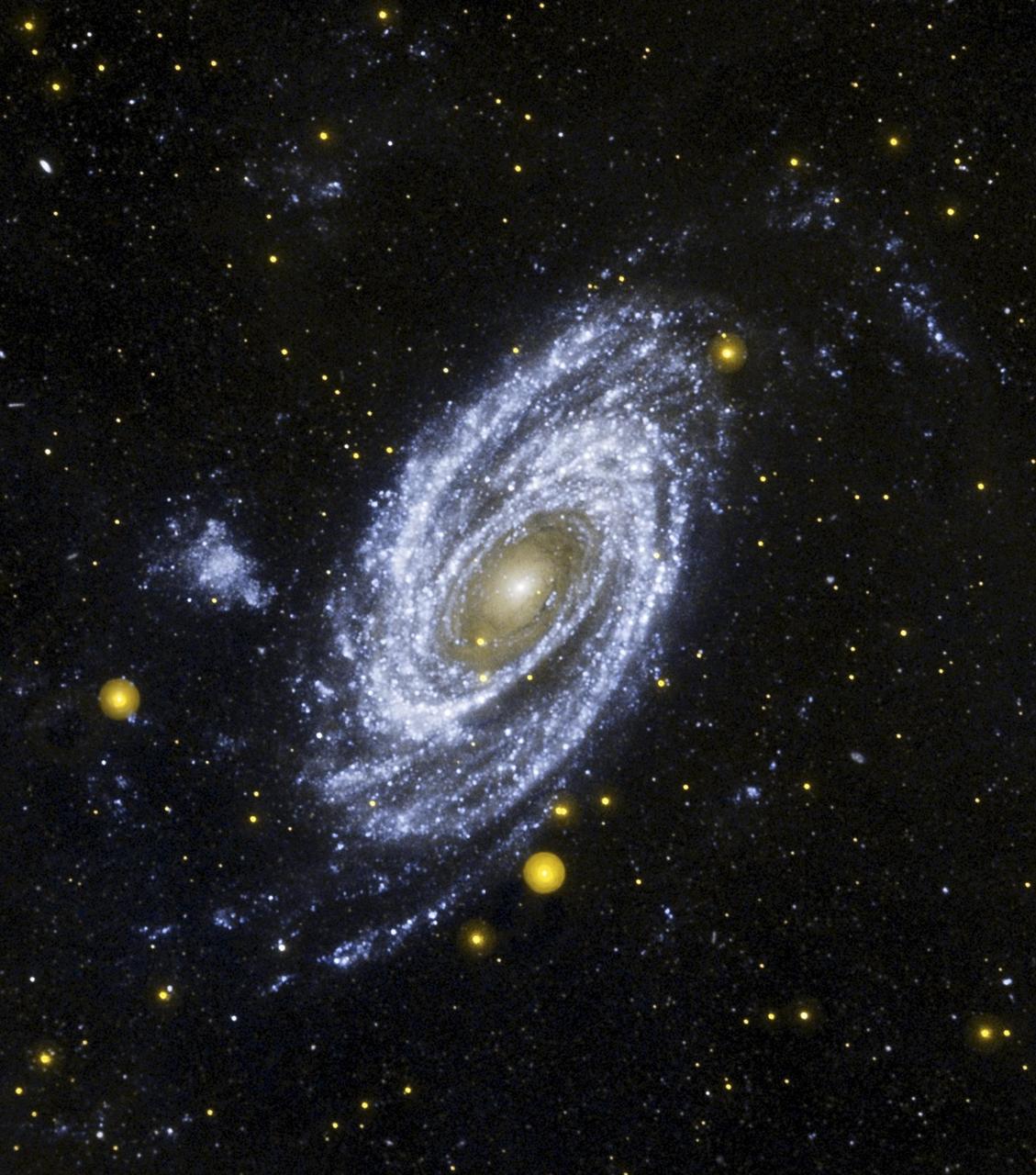
- M31 — Andromeda Galaxy — our nearest galactic neighbor, visible to the naked eye.
- IC 1805 — Heart Nebula — a showstopper in narrowband (Ha + OIII).
Start with something bright and forgiving. You want to succeed early to stay motivated.
Understanding Integration Time
"More data = better images" is the golden rule of astrophotography. Integration time is the total accumulated exposure time across all your sub-frames.
A useful rule of thumb:
- 2–3 hours minimum for a presentable result on bright nebulae
- 8–15 hours for gallery-quality shots on faint targets
- 20+ hours for professional-grade narrowband images
Professional observatories and remote telescope services can accumulate this time efficiently since they operate from dark sky sites.
FITS vs JPEG: What You Need to Know
Raw astronomical data is stored in FITS (Flexible Image Transport System) format. Think of it like the RAW file from a DSLR, but for scientific imaging.
FITS files contain:
- 16-bit or 32-bit data (vs 8-bit JPEG)
- Linear response (not gamma-corrected)
- Full dynamic range — stars don't clip, faint nebulosity isn't crushed
- Calibration metadata in headers
JPEG files are:
- Processed previews — convenient for sharing
- Compressed and gamma-corrected
- Not suitable for scientific processing
Ready to capture the universe?
Professional telescope access from $79/night. Our team handles everything — you process the data.
Book Your Night — From $79Want to rent a telescope online · Read our remote telescope rental guide · Browse astrophotography datasets
If you purchase astrophotography datasets, always get the FITS files if you intend to do your own processing. The JPEG is a nice bonus for quick reference.
The Processing Pipeline
Raw FITS data goes through several stages before becoming a finished image:
- Calibration — subtract darks, flats, and bias frames to remove sensor noise and optical vignetting
- Registration — align all sub-frames so stars overlap precisely
- Integration — stack (average/median) all aligned frames to reduce noise
- Stretching — apply non-linear stretches to bring faint signal into the visible range
- Post-processing — color balance, sharpening, noise reduction, final adjustments
Popular software:
- PixInsight — the professional standard, steep learning curve
- Siril — excellent free alternative
- Astro Pixel Processor — beginner-friendly with good automation
Remote Telescopes: Shortcutting the Learning Curve
One of the biggest barriers to entry in astrophotography is equipment cost and dark sky access. Remote telescope services solve both problems:
- Access professional-grade instruments from your browser
- Image from a Bortle 1 dark sky site in Texas
- No setup, no polar alignment, no guiding issues
- Get raw FITS data delivered to your dashboard
This lets you focus entirely on learning to process data rather than fighting with equipment. Many experienced astrophotographers use remote telescopes to image targets not visible from their home latitude.
Next Steps
The best way to learn is to get data in your hands and start processing. SkyShare Astro offers both telescope bookings (from $79/night) and pre-captured datasets that you can download and process immediately — perfect for building skills without waiting for clear skies.
Happy imaging!
Ready to capture the universe?
Professional telescope access from $79/night. Our team handles everything — you process the data.
Book Your Night — From $79Want to rent a telescope online · Read our remote telescope rental guide · Browse astrophotography datasets